Photography Without a Light Meter, Revisited
January 7, 2024
Tags: Film Photography, Photography

The weather in my neck of the woods has been mostly miserable these past few weeks. In other words, it’s been a perfect time to do projects at my computer and to make additions and revisions to my website.
As I wrote here, I’ve been enhancing the keyword and location metadata that accompanies my catalog of photographs. In my last post, I mentioned that I added a new article to my website entitled “Math for Photography.” And not long after finishing that, I made some substantial additions and edits to my discussion entitled “Photography Without a Light Meter.”
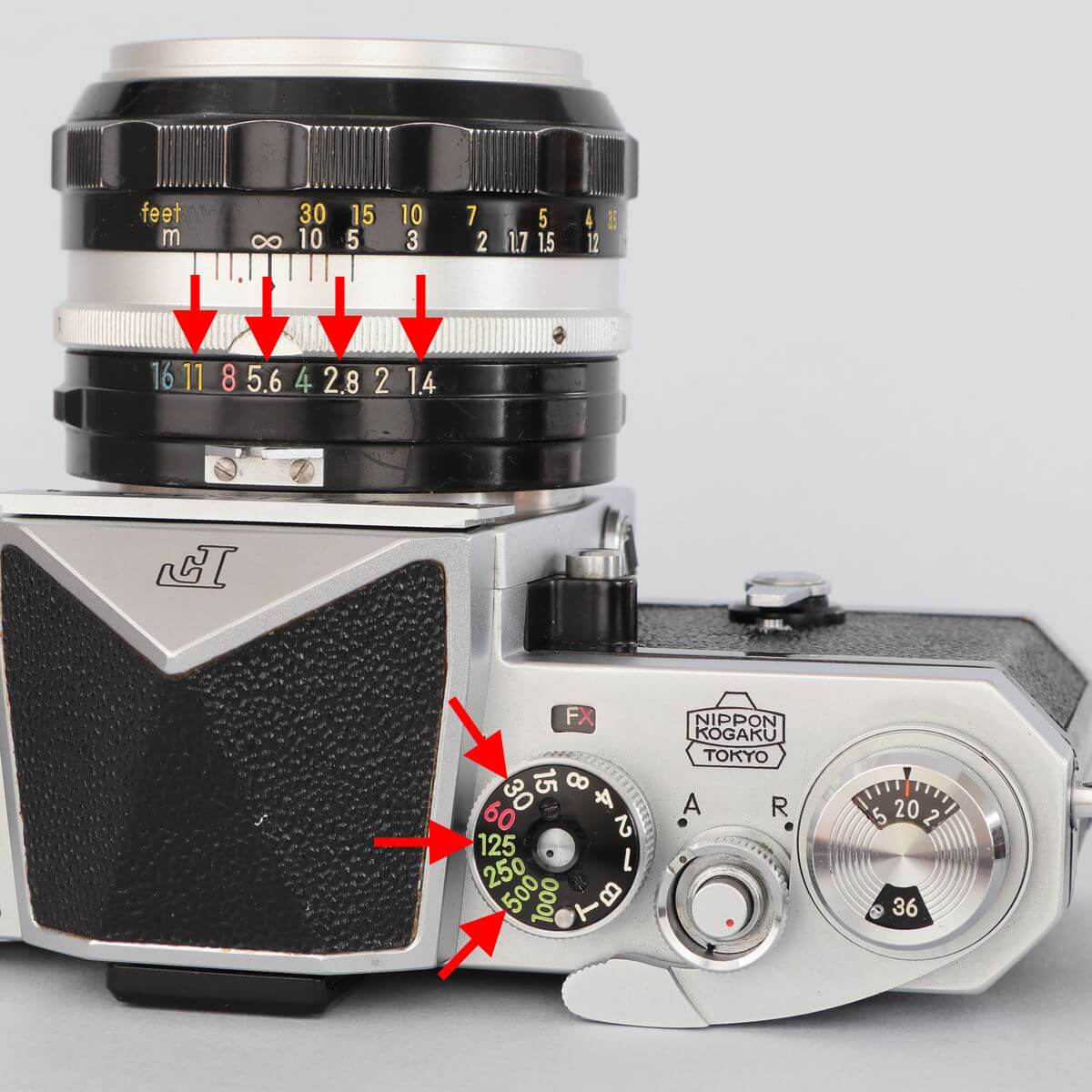
I recently had an epiphany that shooting black and white negative film in particular could be forgiving enough that I could limit myself to brackets of exposure settings and still get a usable negative. This is different than exposure bracketing, by which one makes several exposures of the same composition using different exposure settings in order to get the best exposure. What I’m calling exposure setting bracketing involves limiting oneself to using every other setting on my lens aperture ring and shutter speed dial. Doing so simplifies both memorizing what lighting scenarios call for which exposure settings and the process of making a judgment call at the actual time of making an exposure. Over the handful of times I’ve been out with one of my non-metering Nikon F camera bodies in recent weeks, I’ve used this approach, and I found it rather liberating in a sense. The proof will be forthcoming, though. We’ll see if my negatives are decently exposed.
Using my photography database application, I also queried my catalog of images from this past year and came up with some good examples that illustrate exposure setting bracketing, and I included them with that long-form article.
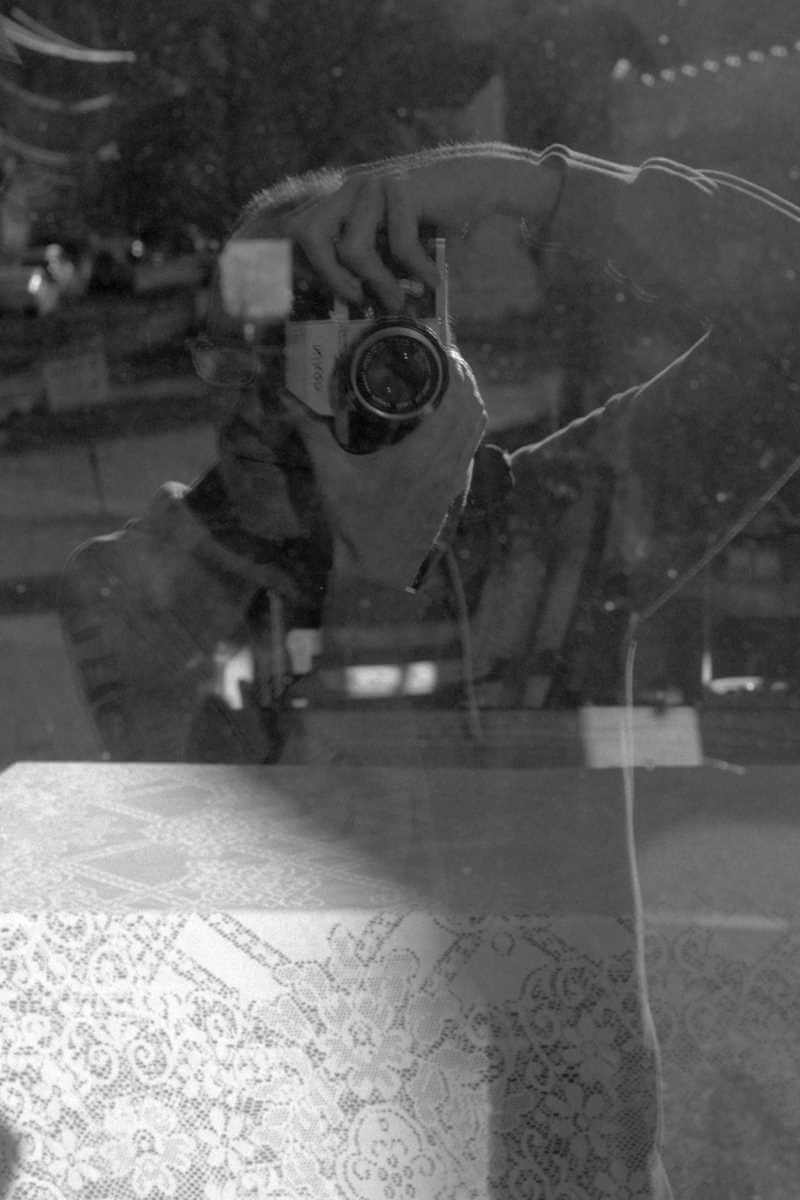
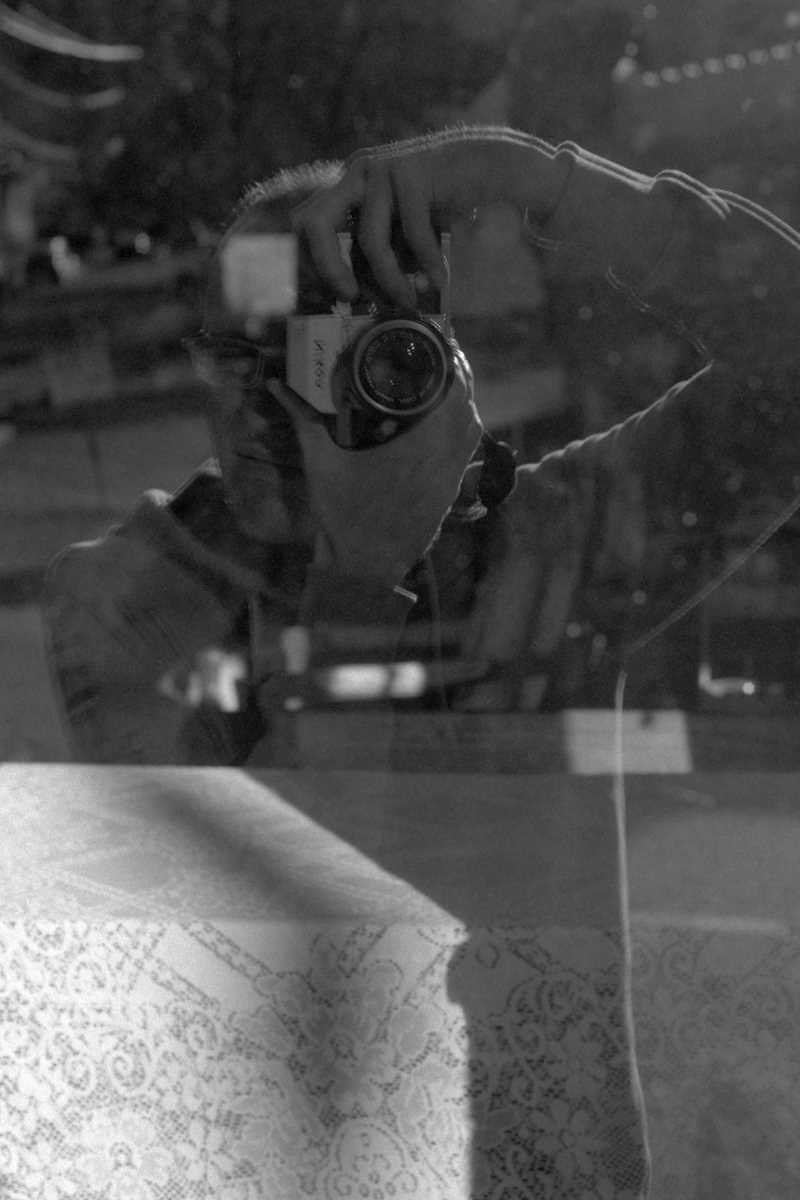
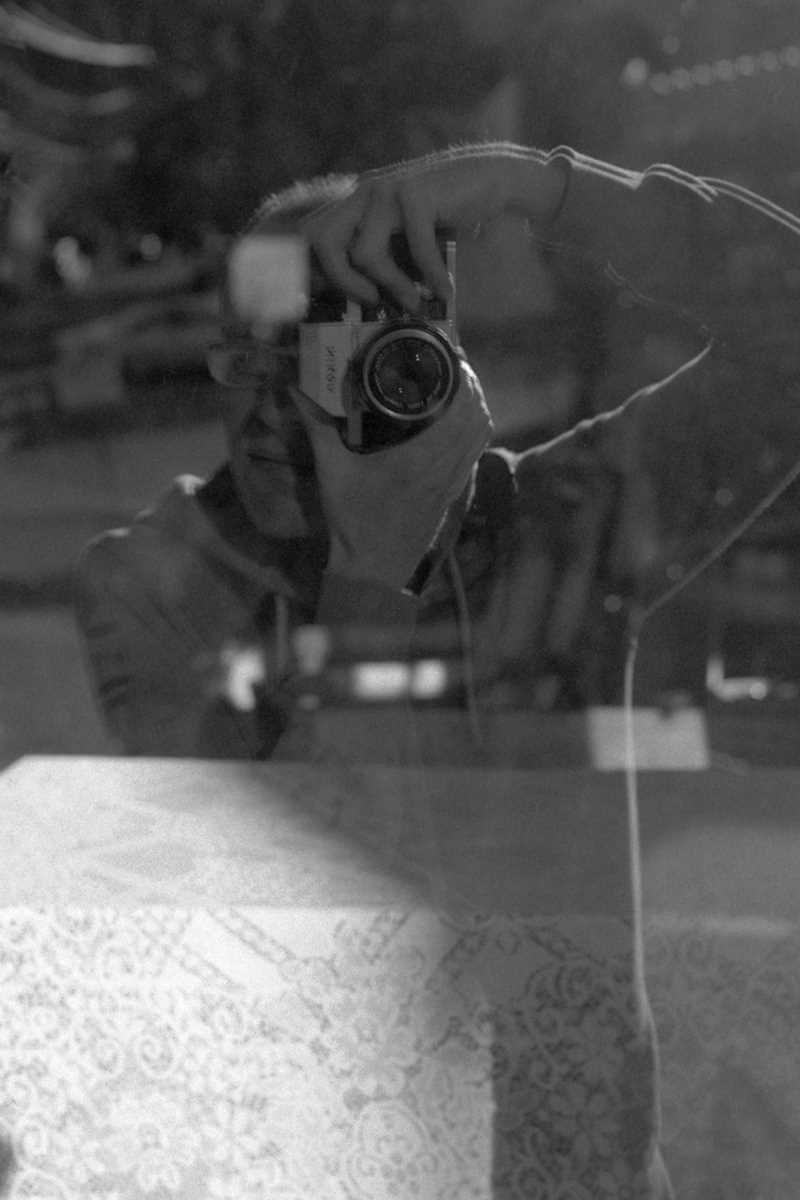
Learning how to use a film camera without the aid of a light meter has been something of an ongoing project for me for the past year or two. Having gotten the benefit of more experience with shooting several rolls of mostly black and white film, I’ve learned a ton, and I’m getting more confident with assessing the lighting of a subject by eye and selecting my exposure settings as appropriate.
But I still have a long way to go. I often get stumped by scenes with tricky lighting scenarios, and I pull out my phone and its light meter app more often than not in those situations. But I’m buoyed whenever I look at a scene, make a mental judgment, and have it confirmed by what my light meter recommends. That’s happening more and more often.